

Why Comparing Biomass, Biogas and Solar Cooking Matters
Clean cooking is now recognised as a central pillar of energy access, climate action and public health. Traditional chulhas and open fires expose families to dangerous smoke, increase fuel costs and contribute to deforestation and greenhouse gas emissions. Governments, CSR programmes and development partners are therefore investing in solutions that can deliver clean, reliable and affordable cooking energy.
Among the most widely promoted technologies are: smokeless biomass stoves, biogas systems and solar cooking technologies. Each comes with clear engineering strengths, but also with very real ground-level constraints. Success depends on matching technology with local resources, user behaviour, budgets and maintenance capacity, not just on lab efficiency numbers.
This guide is written for:
- NGOs and social enterprises implementing clean cooking or climate projects.
- Institutional buyers such as schools, hostels, community kitchens and canteens.
- CSR teams and project developers designing long-term energy access programmes.
As a biomass stove and gasifier manufacturer, supplier and exporter from India, Enersol Biopower has supported many such projects and seen what works in real field conditions.
Three Clean Cooking Technologies at a Glance
Smokeless Biomass Stove
A high-efficiency clean cookstove that burns solid biomass such as briquettes, wood chips and agro-residue with controlled air flow and improved combustion. Many designs, including those inspired by biomass gasifier principles, deliver strong performance for households, institutions and small industries.
Biogas System
An anaerobic digester converts cattle dung, food waste or sewage into methane-rich biogas. The gas is then supplied to a biogas stove or genset. When designed correctly, it is a very clean, renewable fuel, ideal for sites with steady organic waste.
Solar Cooking
Solar box cookers or concentrating cookers capture and convert sunlight into heat. They have zero fuel cost and no on-site emissions, but their real-world usability depends heavily on climate and user routines.
Smokeless Biomass Stove: Strengths and Limitations

A well-designed smokeless biomass stove brings engineering-grade combustion to locally available fuels. Compared to open fires and traditional chulhas, it offers a controlled flame, reduced smoke and higher thermal efficiency. From Enersol Biopower’s experience as a biomass stove and gasifier manufacturer from India, this is often the fastest upgrade for rural and semi-urban users.
Key Advantages
- Uses local biomass such as briquettes, wood chips, crop residue and twigs.
- Lower fuel cost compared to LPG, kerosene or diesel, especially for bulk users.
- Significant reduction in smoke and soot compared to traditional chulhas.
- Faster cooking and better heat transfer due to optimised pot support and flame control.
- Scalable designs for households, community kitchens, hostels and small industries.
Limitations
- Requires continuous access to dry biomass and basic fuel preparation.
- Performance decreases if fuel is too wet or poorly processed.
- Users need training on ignition, air control and ash removal to maintain efficiency.
- Emissions are much lower than chulhas but not zero, unlike solar or electric cooking.
Explore Enersol Smokeless Biomass Stoves
Enersol Biopower designs and manufactures institutional and household biomass stoves suited for schools, hostels, gaushalas and community kitchens. Learn more about technical specifications and model options on our product page.
Biogas System: Strengths and Limitations

Biogas is often viewed as a premium clean cooking fuel. When systems are designed and maintained well, biogas delivers a clean blue flame comparable to LPG. Farmers, dairies, gaushalas, institutions and urban waste projects can all generate biogas from organic waste streams, improving waste management while producing useful energy.
Key Advantages
- Very clean combustion with low particulate emissions at the point of use.
- Uses organic waste that would otherwise decompose and release methane to the atmosphere.
- Produces nutrient-rich digestate, which can replace chemical fertilisers in agriculture.
- Can be integrated with biogas gensets to supply electricity and thermal energy together.
Limitations
- Requires continuous, predictable feedstock (such as dung or kitchen waste) and adequate water.
- Higher initial capital cost compared to a single biomass stove installation.
- Needs careful system design, gas piping, safety measures and regular maintenance.
- Gas production fluctuates with temperature, feedstock quality and operational discipline.
Solar Cooking: Strengths and Limitations

Solar cookers are attractive because they have no fuel cost and no on-site emissions. They are particularly interesting in regions with high solar radiation and clear skies. However, their day-to-day usability depends strongly on weather and cooking patterns, so expectations and backup systems must be planned realistically.
Key Advantages
- No recurring fuel cost and no on-site air pollution.
- Simple technology with low operating cost once installed.
- Well-suited for slow cooking, boiling water and pre-heating tasks during sunny hours.
Limitations
- Works only in daylight and requires sufficient sunshine and clear skies.
- Cooking schedules must align with sun availability and weather conditions.
- Limited usability during monsoon, winter fog or cloudy days.
- Households and institutions still need biomass, biogas or LPG backup for early morning, late evening and rainy days.
Side-by-Side Comparison: Biomass Stove vs Biogas vs Solar Cooking
| Parameter | Smokeless Biomass Stove | Biogas System | Solar Cooking |
|---|---|---|---|
| Fuel Source | Solid biomass (briquettes, wood chips, agro-residue) | Organic waste (dung, food waste, sewage) | Sunlight (no fuel) |
| Fuel Cost | Low to very low, depending on local biomass market | Low, but depends on feedstock collection and logistics | Zero fuel cost |
| Capital Cost | Low to moderate (per stove) | Moderate to high (digester, piping, burners) | Moderate (varies by cooker type) |
| Suitable Scale | Households, community kitchens, small industries | Farms, dairies, gaushalas, institutions, waste projects | Households and small groups as a supplementary option |
| 24/7 Availability | Yes, with adequate biomass stock | Yes, but gas yield depends on digester performance | No, limited to sunny hours and clear weather |
| Emissions | Much lower than chulhas, but not zero | Very low particulate, renewable carbon | Zero on-site emissions |
| Maintenance Needs | Ash removal, basic cleaning, periodic checks | Regular digester management, gas system upkeep | Low, occasional cleaning and alignment |
| Behaviour Change Required | Moderate (fuel prep, lighting, air control) | Moderate to high (feedstock collection and system care) | High (cooking schedule and methods must adapt) |
Where Each Technology Works Best
Smokeless Biomass Stove
Best suited where reliable biomass is available and users require flexible, round-the-clock cooking options.
- Rural households currently using firewood or crop residue.
- Community kitchens, hostels and small food businesses.
- Institutions with access to agro-waste or biomass briquettes.
Biogas System
Ideal where there is steady organic waste, land and the capacity to manage a digester.
- Dairies, farms, gaushalas and agro-institutions.
- Schools, hostels and campuses with centralised kitchens.
- Integrated rural energy and waste-to-energy projects.
Solar Cooking
A strong supplementary option in sunny regions, especially when combined with biomass or biogas backup.
- Regions with high solar radiation and long sunny seasons.
- Households and institutions open to adjusting cooking schedules.
- Awareness projects and demonstration sites for climate education.
Hybrid Systems: Often the Most Practical Answer
In field practice, many successful clean cooking programmes do not rely on a single technology. Instead, they combine solutions to match seasonal patterns, user behaviour and funding realities.
- Biogas + Smokeless Biomass Stove: Biogas handles base cooking loads for canteens and hostels, while a high-efficiency biomass stove provides backup during system maintenance, feedstock shortages or peak demand.
- Solar Cooking + Biomass Stove: Solar cookers support slow cooking and water heating during sunny hours, with a smokeless biomass stove used in the evenings, early mornings and cloudy periods.
- Biomass Stove + Biogas Genset: Biogas is used for power generation and part of cooking, while biomass stoves cover large thermal loads for industrial or institutional kitchens.
As a biomass gasifier and biomass stove manufacturer, supplier and exporter from India, Enersol Biopower works with partners to design such integrated systems and ensure that clean cooking solutions remain practical, maintainable and financially viable over time.
How to Decide for Your Project: A Simple Framework
When evaluating clean cooking technologies, it helps to move beyond generic claims and follow a structured assessment. The following four-step framework is used by many practitioners and project developers.
- Map Local Resources: Identify available biomass types, organic waste streams, land, water, sunshine levels and any existing energy infrastructure.
- Understand Cooking Patterns: Note how many meals are cooked, at what times, for how many people and whether users are open to changing routines.
- Assess Technical Capacity: Evaluate whether there is a local team or partner who can manage a biogas digester, maintain stoves and support solar installations.
- Match Investment and Payback: Balance capital budgets with expected savings in fuel costs, carbon benefits, health gains and programme duration.
Using this information, you can shortlist a primary technology and then plan backup or complementary solutions. The Enersol Biopower team frequently supports partners in this design phase, especially where biomass gasifiers, biomass stoves and hybrid thermal systems are being considered.
Frequently Asked Questions: Biomass Stove vs Biogas vs Solar Cooking
1. Which is better for a typical rural household?
For most rural households currently using firewood or traditional chulhas, a smokeless biomass stove is usually the most practical first step. It allows families to continue using familiar biomass fuels while dramatically reducing smoke and fuel consumption. Biogas and solar cooking can be added later where conditions allow.
2. When does a biogas plant make sense for cooking?
A biogas plant makes sense when there is a steady, predictable supply of organic waste (such as dung or kitchen waste), adequate water and technical support. This is common for dairies, farms, gaushalas, hostels, canteens and integrated rural development programmes.
3. Can solar cooking replace biomass or gas completely?
In most real-world settings, solar cooking is best treated as a supplementary system. Weather patterns and cooking times rarely allow it to fully replace biomass, biogas or LPG. It performs well for daytime slow cooking and water heating when sunshine is reliable.
4. Are smokeless biomass stoves really cleaner than chulhas?
Yes. A good smokeless biomass stove improves air–fuel mixing and combustion temperature, which significantly reduces smoke and particulate emissions compared to traditional chulhas. While emissions are not zero, exposure levels are much lower and fuel savings are substantial.
5. Can we design a hybrid system combining all three?
Yes. Many of the most robust clean cooking programmes use a hybrid energy mix. For example, a project might rely on biogas for base loads, smokeless biomass stoves for peak loads and solar cooking for water heating. Enersol Biopower can help you design such integrated systems based on site conditions and budgets.
Conclusion: There Is No Single Winner, But Biomass Stoves Are Often the First Step
If you look only at emissions, biogas and solar cooking may appear more attractive than any combustion-based solution. However, once you factor in cost, availability, reliability, user acceptance and maintenance needs, smokeless biomass stoves often emerge as the most practical and scalable first step for many communities.
Biogas delivers excellent results where steady feedstock, water and technical capacity are available, while solar cooking adds value wherever sunshine is abundant and users are willing to adapt routines. A modern biomass stove, especially one designed with gasifier principles, creates an immediate, visible improvement for families and institutions currently dependent on smoky chulhas or expensive LPG.
By partnering with an experienced biomass stove and gasifier manufacturer, supplier and exporter from India such as Enersol Biopower, you can design clean cooking solutions that are technically sound, financially viable and truly sustainable for the people who use them every day.
Need Help Choosing Between Biomass Stove, Biogas and Solar Cooking?
Enersol Biopower designs and supplies smokeless biomass stoves, biomass gasifiers, biogas-based systems and hybrid clean cooking solutions. Share your project details, and our technical team will help you evaluate the right technology mix for your location, budget and impact goals.
Contact Our Technical Team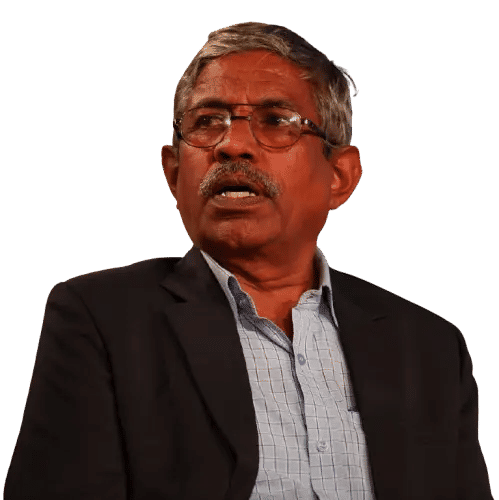
About the Author
Rai Singh Dahiya
Founder & Chief Innovator, Enersol Biopower Pvt. Ltd.
Grassroots innovator and recipient of India's Fifth National Grassroots Innovation Award (2009). Selected as Innovation Scholar-in-Residence at Rashtrapati Bhavan (2015). Over 25 years of experience pioneering clean biomass energy solutions deployed at IITs, NITs, and in UNDP international projects across Africa and the Middle East.