

Biomass Stove Daily Care Guide: Cleaning, Maintenance and Common Fixes
To keep a biomass stove working well, use dry fuel, remove ash every 1–2 days, keep the air openings and fan clean, and check the stove regularly. Most problems, such as smoke and low flame, come from wet fuel, too much ash or poor airflow, and they are easy to fix.
By Rai Singh Dahiya, Founder, Enersol Biopower | Published 18 October 2026

Key Article Highlights
- Wet fuel causes more stove problems than almost anything else
- Keep fuel moisture below 20%
- Remove ash every 1–2 days, and only when it is safe
- Keep the fan clean, because airflow makes the stove burn clean
- Never use kerosene or petrol to light the stove, or water to cool it
Safety Comes First
A stove stays hot long after the flame has gone. Follow these rules every time you clean it, and teach them to every new cook.
Always Remember
- Let it cool: Clean the inside only when the stove is cool.
- Switch off power: Unplug the stove before you touch the fan or wiring.
- No fuel liquids: Never use kerosene, petrol or diesel to light the fire.
- No water: Do not pour water on a hot stove or hot ash.
- Handle ash safely: Ash can hide live embers. Put it in a metal container with a lid, away from fuel.
- Keep air moving: Use the stove in a well-ventilated kitchen.
Your Daily Routine
This takes only a few minutes, and it prevents most problems.
How to Remove Ash Safely
Too much ash chokes the fire. For a Harit Agni stove, clean the ash chamber every 1–2 days. If your kitchen cooks for long hours, or your fuel leaves more ash, do it more often.
- Wait until the stove has cooled.
- Wear gloves, and use a metal scoop.
- Move ash gently to avoid dust.
- Put it in a covered metal container, away from fuel and walls.
- Leave it until it is completely cold before you dispose of it.
Weekly, Monthly and 6-Month Checks
Use this as a general routine. Your stove's manual comes first, and a busy kitchen may need more frequent checks.
Weekly
- Clean around the fan cover
- Clear all air openings
- Check that pot supports are firm
- Clean the feeding door or opening
- Check your fuel store for damp
Monthly
- Look inside the burning chamber when cool
- Check wires and plugs for damage
- Check for rust and loose parts
- Clean the chimney or hood if fitted
- Check the regulator works smoothly
Every 6 Months
- Inspect the fan
- Inspect the combustion chamber
- Replace worn parts
- Book a service if needed
- Review the kitchen's fault notes
Common Problems and Quick Fixes
Find your problem here and try the simplest fix first. Always let the stove cool before you work inside it.
| Problem | Likely Cause | What to Do |
|---|---|---|
| Too much smoke | Wet fuel, overfilling, blocked air, low fan speed | Use dry fuel, add less at a time, clear openings, raise fan speed |
| Low flame | Too much ash, low fuel, low fan setting | Remove ash when safe, add fuel, adjust the regulator |
| Hard to light | Damp fuel, pieces too large | Start with small, dry pieces and add more once the fire is strong |
| Fan not running | No power, loose plug, regulator fault, dirt in fan | Check power and plug. Unplug it, then clean the fan cover |
| Fan is noisy | Dirt, loose cover or worn fan | Unplug it, clean it and tighten the cover. Replace it if worn |
| Fuel burns too fast | Fan set too high, very small fuel | Lower the fan speed, and use suitable fuel |
| Too much black soot on pots | Poor burning, damp fuel, overfilling | Use drier fuel, and feed the stove in smaller amounts |
| Hard lumps in the ash | Fuel with high ash or dirt | Remove them when cool, and change to cleaner fuel |
Good Fuel Is Good Maintenance
Enersol stoves need fuel below 20% moisture. Wet fuel gives less heat, more smoke and more work. Keep these habits in your fuel store:
- Keep fuel under cover and off the floor.
- Use older stock first.
- Do not burn plastic, painted wood, treated wood or rubbish.
- Keep fuel away from the stove and from hot ash.
What to Do in a Power Cut
A forced-draft stove needs its fan or blower for clean burning. Models such as Green-Agnika10 use a 4-inch AC fan, and larger stoves use 100–200W blowers. If the power goes off during cooking:
- Stop adding fuel, because the fire will burn poorly without air.
- Open doors and windows, and keep air moving.
- Switch to your inverter or backup supply if you have one.
If power cuts are common, plan a backup supply. For homes and small kitchens, ask about the Bio-Mini range, which uses a 12V DC fan. Large kitchens can read our 24x7 kitchen fuel planning guide.
When to Call for Service
Stop using the stove and call a qualified service person if you see any of these:
- Cracks, holes or a warped firebox
- Burnt wires, sparks or a burning smell from electrical parts
- A fan that still will not run after basic checks
- Smoke that continues with dry fuel and a clean stove
- A pot stand that is loose or unstable
Do not rewire the stove yourself, and do not run it with a damaged part. Keep a simple notebook of faults and repairs, so that your service person can find the cause faster.
Frequently Asked Questions
How often should I clean a biomass stove?
Remove ash every 1–2 days, or more often if the stove runs for long hours. Wipe the outside and check the air openings as part of your daily routine. For a Harit Agni stove, Enersol advises inspecting the fan and combustion chamber every 6 months.
Why is my biomass stove making smoke?
Smoke usually comes from wet fuel, too much fuel at once, blocked air openings or low fan speed. A little smoke at lighting can be normal. Check fuel moisture first, because it should stay below 20%, then clear the ash and check the fan.
Why is the flame low on my biomass stove?
A low flame usually means too much ash, too little fuel, a low fan setting, a dirty fan or damp fuel. Let the stove cool if it needs ash removal, then check the regulator setting, fan and fuel.
What should I do if the stove fan stops?
Check the power supply, plug, switch and regulator first. Stop adding fuel while the fan is off, and keep the kitchen ventilated, because the fire will burn poorly and may smoke. If the fan still does not run, call a qualified person.
Can I use water to clean or cool a hot biomass stove?
No. Water can cause steam burns and may damage hot metal parts. Let the stove cool completely, then remove dry ash and wipe the outside with a slightly damp cloth, keeping water away from the fan and electrical parts.
How can I make my biomass stove last longer?
Use dry, clean fuel, remove ash regularly, keep the fan clean and do not overload the stove. Keep it dry when not in use, and repair small faults early. A simple daily routine prevents most big problems.
Need Help with Your Stove?
Tell us your stove model and the problem you are seeing. Our team will help you with guidance, spare parts and service.
Talk to Our Team →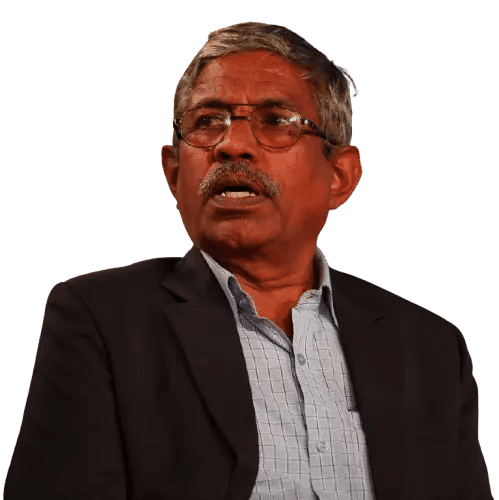
Recipient of India's Fifth National Grassroots Innovation Award (2009), invited as Innovation Scholar-in-Residence at Rashtrapati Bhavan (2015). Over 25 years of experience designing biomass energy technology for rural India.